


living kitchen cooks membership
Let’s Start Cooking Together!
Week 20 (September 14th): Menu at a Glance




Roasted Broccoli with Beet Tahini Dip
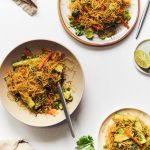
Singapore Rice Noodles (or zucchini noodles)
Cozy Kabocha Squash Turmeric Soup
Grocery List: view PDF and print
LK Cooks Grocery List – Week 20
Print or Save All Week 18 Recipes (PDF)
The Recipes:
1. Roasted Broccoli with Beet Tahini Dip

Roasted Broccoli w/ Beet Tahini Dip
Roasted broccoli is so much better than steamed broccoli, it really gives this green veggie a huge makeover and elevates its texture and taste well beyond the steamed broccoli florets of childhood. And of course, pairing it with a tahini based sauce is one of our favorite things to do since we think tahini makes everything better. This is one of our spins on tahini sauce, the beet makes it colorful and taste sweeter than plain tahini!
- 1 large bunch broccoli (cut in florets)
- 1/2 tsp garlic powder
- pinch of sea salt and pepper
- 2 Tbsp avocado oil (or extra virgin olive oil)
Beet Tahini Dip
- 1/3 cup tahini
- 2/3 cup cooked beet
- 2 Tbsp lemon juice
- 1 clove garlic (minced)
- pinch sea salt (to taste)
- 1/4 cup water (add more gradually, if needed)
Optional Toppings
- sprinkle za'atar
- sprinkle sumac
- sprinkle nigella seeds
- drizzle extra virgin olive oil
-
Preheat oven to 400 F (200 C) and line a baking sheet with parchment paper. Spread out the broccoli and toss with garlic powder, sea salt and avocado oil. You can use your fingers to rub the oil into the broccoli and coat well.
-
Roast for 20 minutes so that broccoli is lightly crisp on the edges and tender inside.
-
While the broccoli is roasting, prepare the beet tahini dip.
-
Combine the ingredients in the food processor and blend until smooth. Depending on the thickness of your tahini (different brands vary in thickness), you might need to add a little more water. Just add it gradually, a spoonful at a time, until you get a consistency that you like. Some people prefer a thick dip, and others like it to be more runny, so you can drizzle it over top of the roasted broccoli.
-
Taste and adjust seasoning if you like. For example you can add more sea salt or lemon.
-
Once the broccoli is roasted, drizzle the beet tahini dip over top or serve it in a side dish. Sprinkle any of the toppings over top that you'd like to include.
Substitution Guide:
- Broccoli: Cauliflower works well instead, or romanesco if you happen to find some (it’s only in season for a short time).
- Beets: If you don’t like beets, you can omit them from the tahini dip. You’ll probably want to add a little extra lemon juice, another 1-2 Tbsp if you’re not using the beet.
Prep Guide:
- If you roast the broccoli in advance, make sure to reheat it in the oven at 375 or 400 for around 5 minutes so it’s hot when you serve it.
- The beet tahini dip will keep for several days in the fridge and you can use any leftovers as a snack with crackers or other veggies.
- Make a double batch of the Beet Tahini Dip if you want to use it in the Hummus Snack Wrap recipes!
- Beets: you can buy pre-cooked beets if you want to save the time on cooking them. If you’re cooking them from fresh beets, simply peel them and cut into cubes, steam with around 1/4 cup water in a small pot for 15 minutes, or until tender.
2. Singapore Rice Noodles (or zucchini noodles)

Singapore Rice Noodles (or Zucchini Noodles)
This recipe has been a long term favorite of so many of our private chef clients. It makes perfectly seasoned rice noodles- salty and slightly sweet, with a hint of spice. You know how rice noodles can be really bland if they aren't seasoned well? Try them this way and we promise they'll be far from boring. Singapore noodles is a dish that originated in China and is thought to have been brought to North America by a Cantonese chef who first created the recipe.
We've made many different variations of the recipe, since it's easy to change up the veggies based on different people's preferences. And, it can be made with zucchini noodles for a completely grain free version of the recipe!
- 4 servings rice vermicelli noodles (or sub zucchini noodles)
- 1 Tbsp avocado oil
- 1 inch ginger (minced or grated)
- 2 cloves garlic (minced)
- 2 cups green cabbage or brussels sprouts (slivered )
- 1 zucchini (sliced in fry shapes)
- 2 carrots (sliced in matchsticks)
- 1/4 cup green peas
- 2 Tbsp toasted sesame oil
- 1 to 1.5 tsp curry powder
- 3 Tbsp coconut aminos or tamari
Optional Protein
- 4 eggs
-
Prepare noodles according to package instructions (we usually soak them in hot water in a bowl for 5-7 minutes).
-
Meanwhile, heat a large skillet or wok over medium-high heat and add some avocado oil.
-
Add ginger, garlic, cabbage or brussels sprouts, zucchini and carrot to the pan. Saute for around 5-7 minutes, until veggies are lightly cooked. Add in the green peas at around the 5 minute mark.
-
Drain the rice noodles from the water and then add them into the skillet with the veggies.
-
Pour the sesame oil and curry powder over top and give the noodles a good stir to incorporate the seasoning into everything. If you like a stronger amount of spice, add 1.5 tsp of the curry powder. If you prefer it to be more mild, add 1 tsp.
-
Gradually add in the coconut aminos or tamari. Give it a taste and you can add a little bit more if you'd like a stronger flavor.
-
If adding eggs: Push the noodles and veggies to the sides of the skillet, creating a well in the center of the pan. Add a drizzle of extra avocado oil and crack the eggs in, scrambling them constantly so they cook quickly. Once they're cooked, toss into the noodles.
Substitution Guide:
- Rice Noodles: Zucchini noodles can be added in at the step where you would have added in the cooked rice noodles to the stir fry. No need to prep them before adding in. They’ll cook lightly as you stir them together with the veggies, sesame oil and curry powder.
- Veggies: Feel free to use other vegetables if you prefer other ones instead. We’ve used broccoli in the past. Something like red pepper or snowpeas would be good too.
- Extra Protein: Tofu, shrimp and chicken can all be added into this recipe if you want some extra protein.
Prep Guide:
- Veggies: You can slice these in advance so they’re all ready to go when you put the stir fry together.
3. Cozy Kabocha Squash Turmeric Soup

Cozy Kabocha Squash Turmeric Soup
Fall is coming – but it's hard to believe it's September! Kabocha squash is our favorite type of squash, also known as Japanese pumpkin. It's richer and creamier than butternut squash and tastes a little bit more like pumpkin and sweet potato than other squashes (but, if you can't find it, you can sub butternut squash for this recipe). One of our favorite ways to make kabocha squash is to slice it in wedges, rub with oil and roast until it gets crispy on the edges and soft inside. And, it makes this soup extra creamy and rich!
- 1 medium kabocha squash (peeled and cut in cubes)
- 1 Tbsp coconut oil (or avocado oil)
- 1 small yellow onion (diced)
- 2 cloves garlic (sliced)
- 1 heaping tsp ginger (minced)
- 1/2 tsp ground turmeric
- 1/2 tsp ground cinnamon
- 1/2 tsp sea salt
- pinch black pepper
- 2 carrots (diced)
- 1 cup coconut milk (from a can)
- 1 1/2 cups vegetable broth (or chicken broth)
Optional Toppings:
- drizzle of coconut milk
- squeeze of lime or lemon juice
- handful cilantro, mint or parsley
-
First you'll need to peel the squash, de-seed it and cut it into chunks.
-
Place a large pot over medium-high heat and add the coconut oil.
-
Toss in the onions, once they become golden, add in the ginger, garlic, turmeric, cinnamon, black pepper and salt.
-
Mix everything around so it’s coated in the spices. If your pot is becoming too dry, add a bit more coconut oil.
-
Add in the carrots and chopped squash, toss to mix all together.
-
Pour in the coconut milk and broth. Stir. Bring to a boil, cover the pot and simmer for 20 minutes.
-
After 20 minutes, blend the soup in a blender (or use a hand blender) until it’s creamy. Be very careful as the soup will be scorching hot. You also can let the soup cool down for a little bit (5-10 minutes) before you blend it, if you prefer.
-
Once blended, taste and re-season with salt and pepper if needed.
-
Ladle into bowls and garnish with any of the toppings that you'd like.
Substitution Guide:
- Kabocha squash: Butternut squash can work instead
- Vegetable broth: Bouillon cube can be used
Prep Guide:
- This soup will keep well for many days in the fridge, 4-5 days. So you can always make it in advance of when you want to serve it.
4. Quinoa Tofu Bowl

Quinoa Tofu Bowl (or chicken)
We like using quinoa for this recipe as an alternative to classic rice style bowls because it's high in protein and takes a lot less time to cook than rice does. It's one of those easy peasy meals, toss everything together in one bowl and season with a delicious sauce. If you have leftovers of this, they would work really well for lunches.
- 1 cup quinoa
- 1 Tbsp avocado oil
- 1 crown broccoli (cut in florets )
- 2 carrots (shredded (or sub brussels sprouts))
- 2 cups green cabbage (slivered )
- 4 oz brown cremini mushrooms or shiitake mushrooms (sliced)
Protein Options
- 1 block tofu (cut in cubes)
- 1 lb chicken (cut in cubes or strips)
- 1 to 2 Tbsp avocado oil
Sauce
- 2 Tbsp avocado oil
- 2 Tbsp tamari
- 1 Tbsp honey or maple syrup
- 1 Tbsp rice vinegar
- 1/2 tsp ginger (minced or grated)
-
Combine the quinoa with 2 cups of water in a small pot and bring to a boil. Once the water is boiling, reduce the heat to low and simmer, covered for 15 minutes. The water will be absorbed and the quinoa will be fluffy.
-
While the quinoa is cooking, prepare the vegetables. Heat avocado oil in a large skillet and add all of the vegetables. Give them a stir every 30 seconds and cook for around 5-7 minutes, until lightly cooked. If you prefer them cooked more, cook for longer.
-
Heat some avocado oil in another skillet (or use the same skillet after you remove the vegetables from it). Add the cubes of tofu, or chicken, and sear for a few minutes on the first side. Then flip and cook on second side for a few more minutes until the tofu is crispy on the edges (or the chicken is fully cooked through).
-
Once everything is cooked, combine the quinoa together with the vegetables and tofu.
-
Whisk together the sauce ingredients in a small bowl, measuring cup or glass jar.
-
Drizzle the sauce over top of the quinoa and veggie mixture before serving.
Substitution Guide:
- Quinoa: Rice can be used instead, or cauliflower rice if you want a grain-free version
- Veggies: As with a lot of our recipes, feel free to swap in other veggies that you prefer instead!
- Cabbage: Brussels sprouts can work instead
Prep Guide:
- Quinoa: This is an easy part to make in advance (just store in the fridge and then reheat by adding into the stir fry with the veggies before serving).
- Sauce: Also can be made in advance and store in the fridge.
5. Hummus Snack Wraps

Hummus Snack Wraps
We often forget how easy and simple wraps can be to make for a quick snack. With the abundance of late summer produce at the moment, we compiled lots of veggies into this delicious wrap. Add some delicious hummus and you really can't go wrong!
- 4 gluten free wraps (or wraps of choice)
- 1/2 cup hummus (or use the Beet Tahini Sauce from above recipe)
- 1/2 cup water or oil packed artichokes (sliced)
- 2 Persian/mini cucumbers (sliced)
- 2 radishes (sliced)
- 4 small handfuls baby spinach or mixed greens
- 1 carrot (shredded)
- 1 avocado (sliced)
-
Lay the wraps out on a flat surface such as a cutting board or large plate.
-
Spread a heaping 2 Tbsp of hummus along the center of each wrap.
-
Layer a little bit of each vegetable over the hummus.
-
Roll or fold the wrap over and enjoy!
Substitution Guide:
- Veggies: You can omit any of the veggies that you don’t like or swap in other options.
- Artichokes: Sundried tomatoes, olives or pickles or even some sauerkraut would all be delicious additions instead of the artichokes.
- Hummus: Use the Beet Tahini Dip from the recipe above!
- Wraps: If you’re in Canada, we recommend trying out this flax based wrap that’s really high in fiber- Flax Wraps
Prep Guide:
- These are best made fresh, to avoid getting soggy. But, if you need to, make the day before and store in an air-tight container in the fridge.
6. Strawberry Popsicles

Strawberry Popsicles
Before summer is really gone, we wanted to give you one more popsicle recipe. We've always loved strawberry popsicles and combining it with coconut makes the best berry creamsicle type combo.
Strawberry Layer
- 1 1/2 cups strawberries ((if using frozen berries, add 1/2 cup water))
- 1 tsp lemon juice
Coconut Layer
- 3/4 cup full fat coconut milk (from can)
- 1 Tbsp honey or maple syrup
Optional
- 6 cherries (sliced in thin pieces)
-
Whisk together the coconut milk with sweetener of choice in a bowl.
-
Blend the strawberries and lemon juice in a high-speed blender until smooth and liquid. If you're using frozen strawberries, you'll need to add 1/2 cup water to the blender in order to make everything liquify.
-
Pour the strawberry liquid into 6 popsicle molds, filling them ½ way.
-
Then pour in the coconut milk mixture over top of the strawberry liquid (it will mix in slightly with the strawberry liquid).
-
If you want to add in cherries, push some slices into the coconut milk part.
-
Place the popsicles in the freezer for 3-4 hours, until solidified completely.
Substitution Guide:
- Sweetener: You can use monk fruit sweetener instead of maple syrup or honey if you want a sugar-free option.
- Strawberries: This would work with raspberries instead! Or you could even try blueberries or a combo of different berries.
Prep Guide:
- If you don’t have a popsicle mould you could pour the mixture into an ice cube tray instead (it’ll just make mini sized frozen bites!).
© 2020 The Living Kitchen Wellness Group